Aluminum Bus Bar & Connectors

Custom Aluminum Bus Bars For Lightweight High-Current Power Systems

Engineered for EV battery modules, energy storage racks, switchgear and industrial interconnects where lower weight and stable conductivity are required.

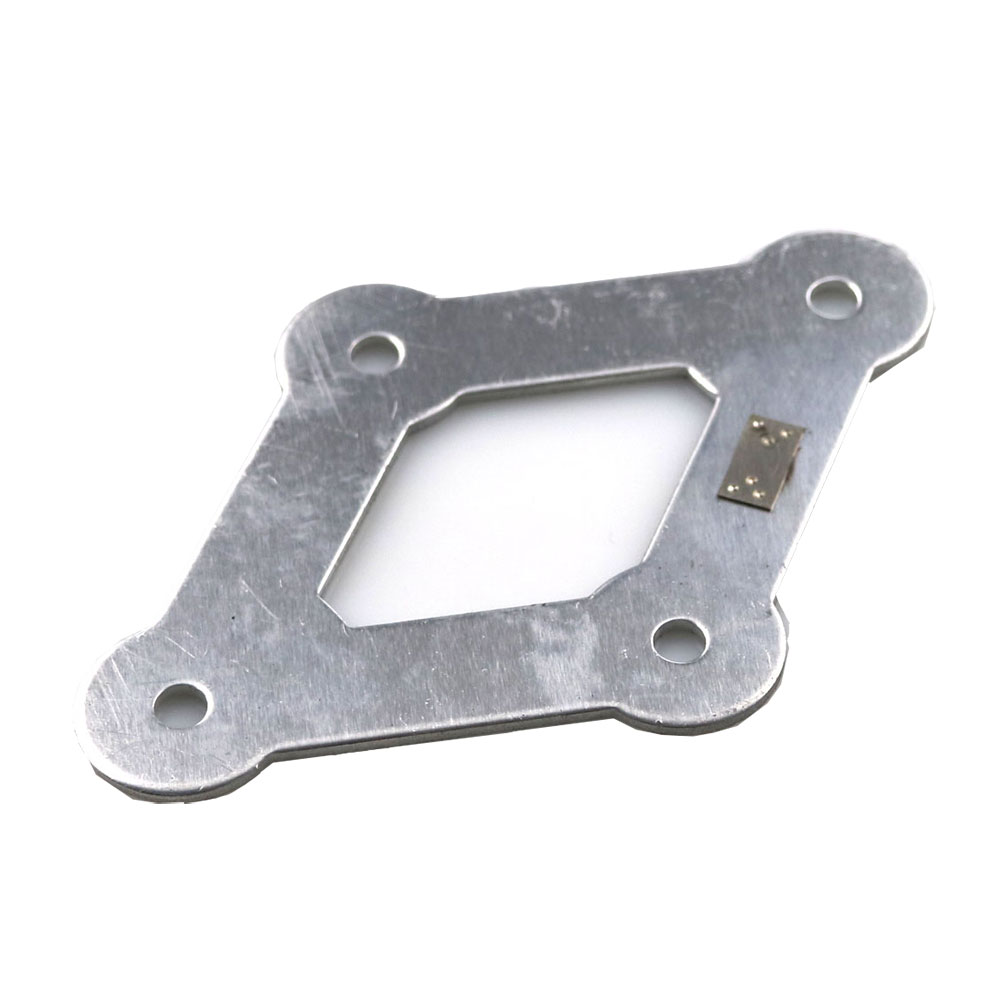
Aluminum bus bar and electrical connector

Typical Applications

Electrical-grade aluminum is selected when engineers need practical current capacity with lower part weight, lower material cost and easier assembly support.

  • EV battery modules, energy storage racks and lightweight conductive assemblies.
  • Switchgear, substation busways, distribution cabinets and industrial equipment.
  • Copper-to-aluminum transition parts requiring controlled plating and contact resistance.
  • Projects where ampacity per weight and freight reduction are important.
Material And Process Options

  • 1350-H111 / H14Commercially pure aluminum with about 61% IACS conductivity for high-current bus bars, jumpers and laminated connectors.
  • 6101-T6 / T61Electrical structural alloy with about 55% to 57% IACS conductivity for busways, switchgear and battery frames.
  • 6061-T6High-strength machined aluminum for 3D connectors, brackets and load-bearing conductive hardware.
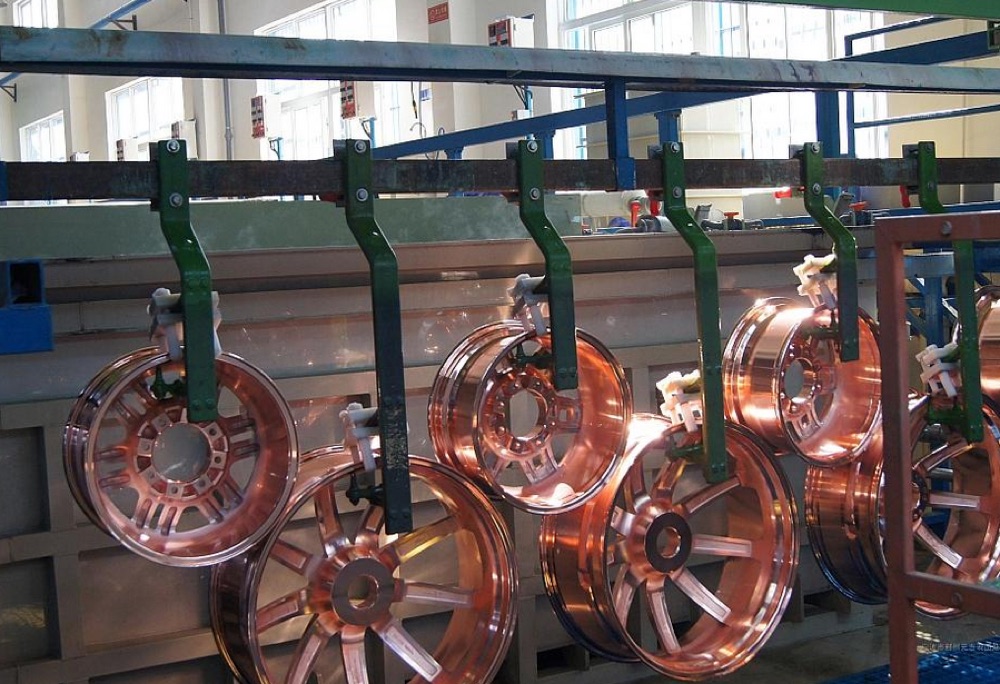
  • SurfaceTin, nickel or silver plating can reduce oxidation, contact resistance and galvanic corrosion at copper-to-aluminum interfaces.
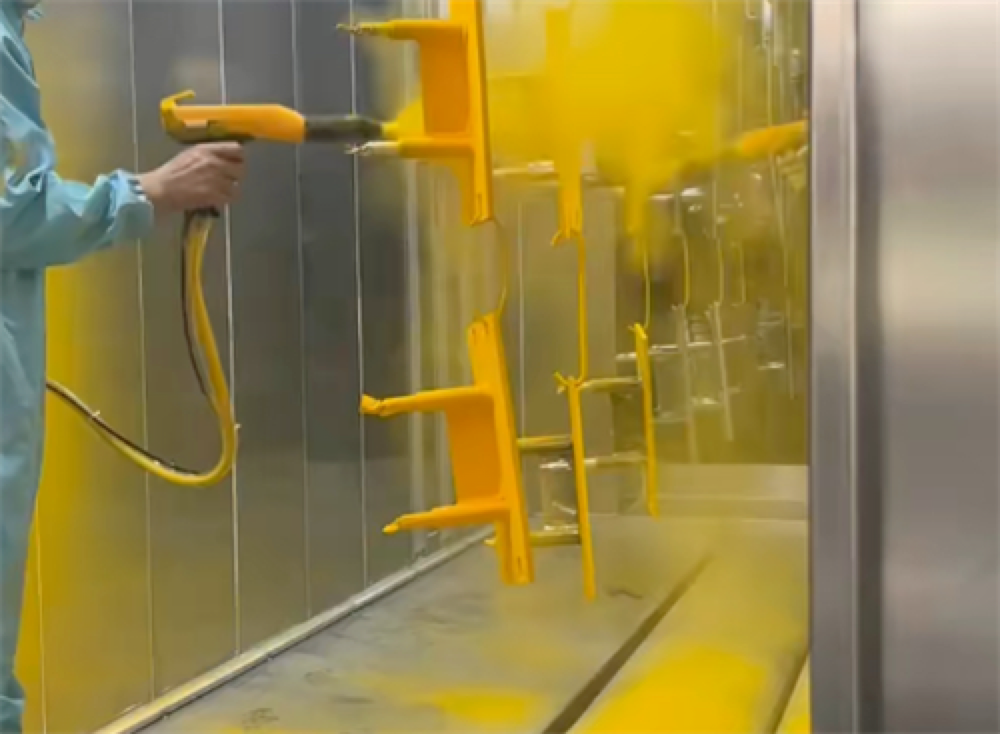
  • InsulationEpoxy powder coating, heat-shrink tubing and PA12 or nylon overmolding are available for high-voltage layouts.
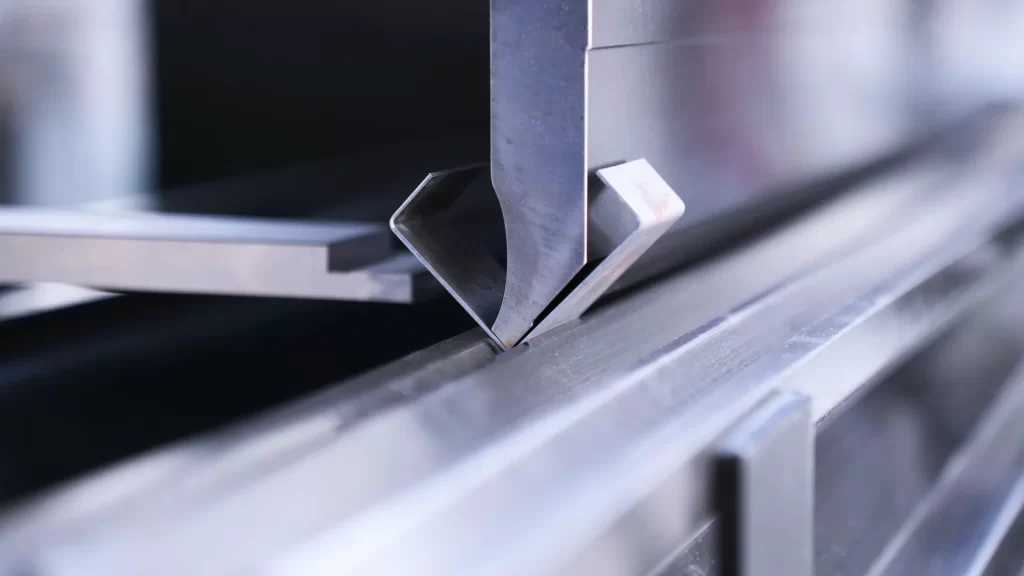
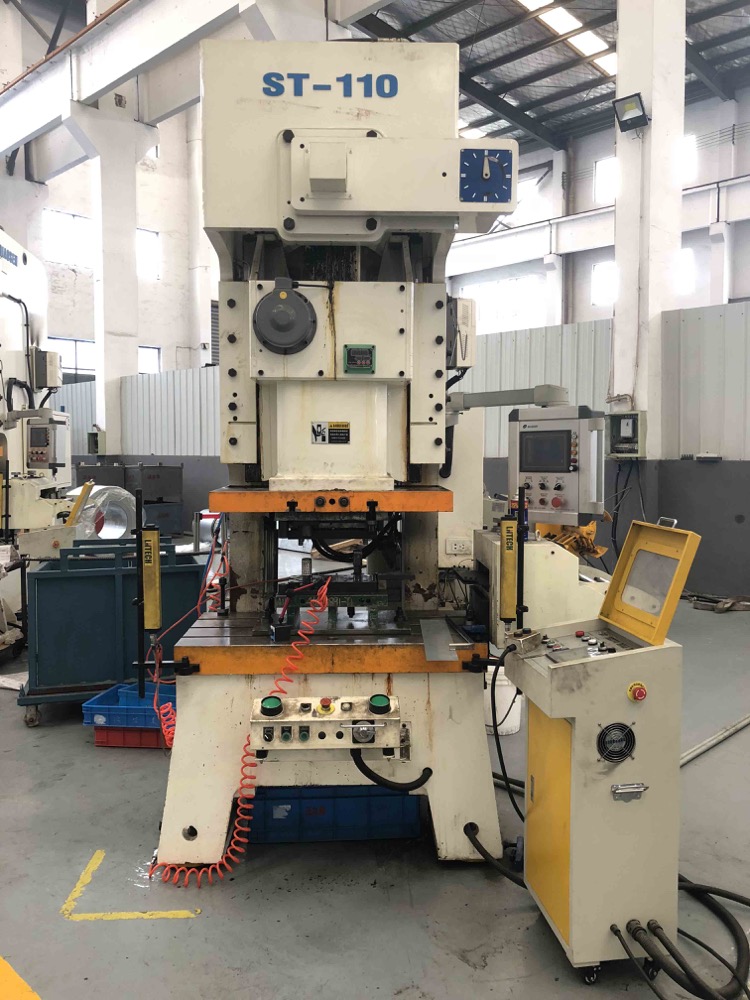
  • FabricationCNC milling, punching, waterjet cutting, press brake bending, deburring, Hi-Pot, CMM and XRF checks by requirement.

Copper vs Aluminum

Ampacity And Weight Reference

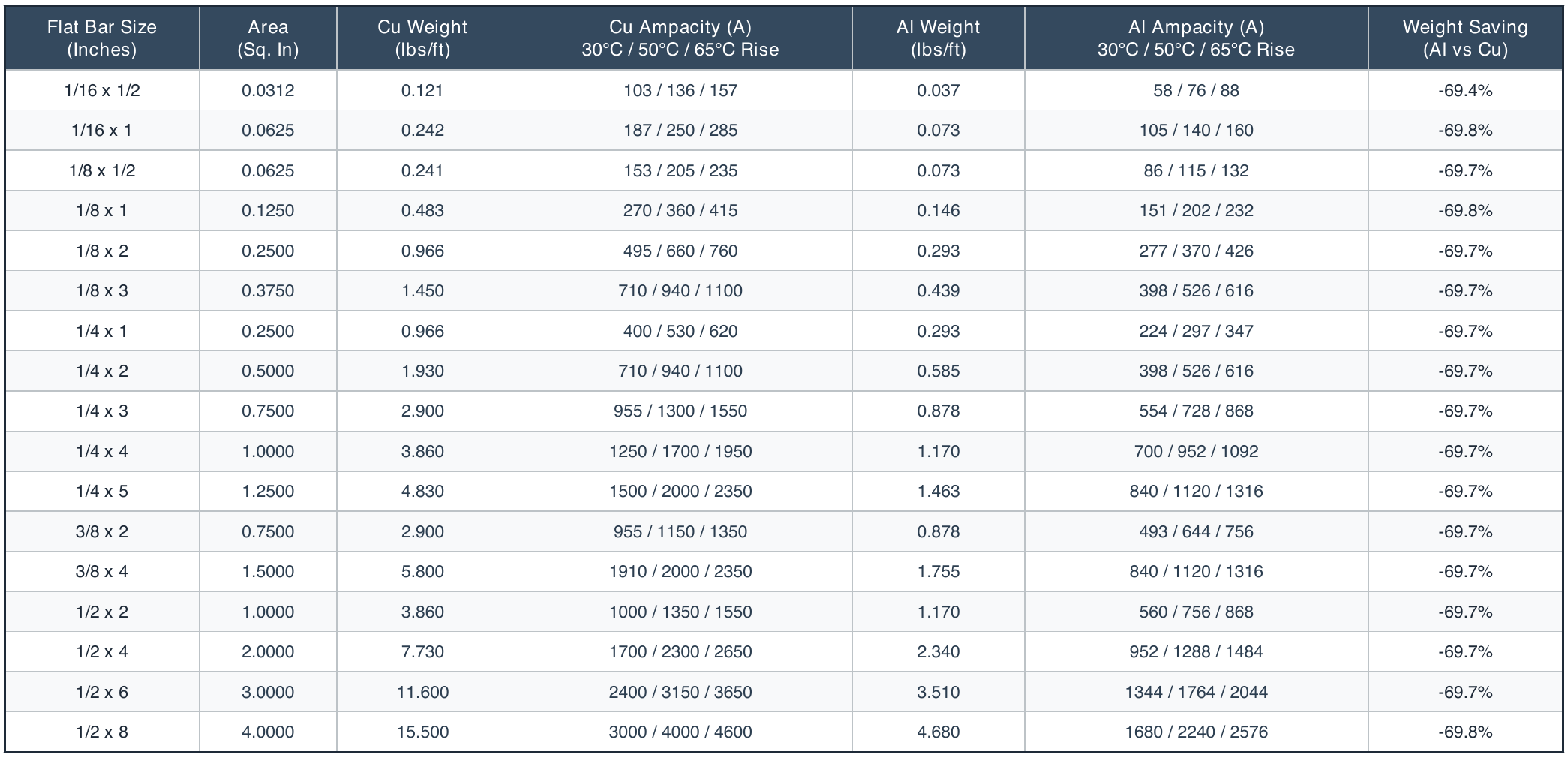
Copper vs. aluminum performance comparison at 30 C ambient and 30 C temperature rise, based on the aluminum bus bar content table supplied for this page.

Copper C11000 versus Aluminum 6101-T6 busbar ampacity and weight comparison table

For equal temperature rise, increasing aluminum bus bar width is usually preferred because it improves heat dissipation surface area more efficiently than simply increasing thickness.